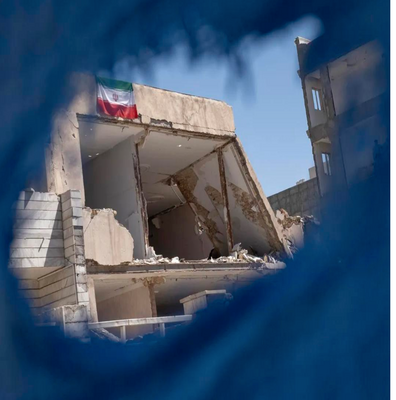
Word of the Month: Iran at a Crossroads
Diplomacy, Regional Security, and the Country's Future
The possibility of a new military attack on Iran is a serious concern amid escalating threats by Donald Trump and Benjamin Netanyahu, rising regional tensions, and developments surrounding the Strait of Hormuz and the Bab el-Mandeb Strait. Although the timing and scale of a potential attack remain uncertain, the risk of renewed military confrontation cannot be dismissed.
Against this backdrop, the Islamic Republic has intensified its diplomatic efforts, calling for the implementation of the Islamabad Agreement, the reopening of the Strait of Hormuz in exchange for lifting the naval blockade, and greater support from regional countries. While welcoming regional mediation and European efforts to revive negotiations, a fundamental change in Iran's foreign policy is essential. Direct and comprehensive negotiations with the United States, the establishment of regional security mechanisms, a reduction in the US military presence, and de-escalation with Israel—including acceptance of a two-state solution for Palestine and Israel—could create the conditions for lasting peace. Keeping the Strait of Hormuz closed as a long-term instrument of pressure would harm both the global economy and Iran's own national interests.
At the heart of the issue is the distinction between the survival of the ruling establishment and the sustainability of Iran. The latter cannot be reduced to preserving the existing political system. It must include national security, independence, territorial integrity, economic development, environmental protection, and the rights and freedoms of citizens. Diplomacy should therefore serve not merely to rescue the government from crisis, but to protect Iran's national interests, prevent war, establish lasting peace, and safeguard the country's future. ... Read More:
 چاپ
Add new comment